Understanding Endometriosis: Symptoms and Treatments Explained
- Paige Koplow
- 10 hours ago
- 4 min read

Endometriosis is a condition that affects millions of women worldwide, yet it remains widely misunderstood. Characterized by the growth of tissue similar to the lining of the uterus outside the uterus, endometriosis can lead to a range of symptoms that significantly impact quality of life. In this blog post, we will explore the symptoms of endometriosis, the various treatment options available, and how to manage this often painful condition effectively.
What is Endometriosis?
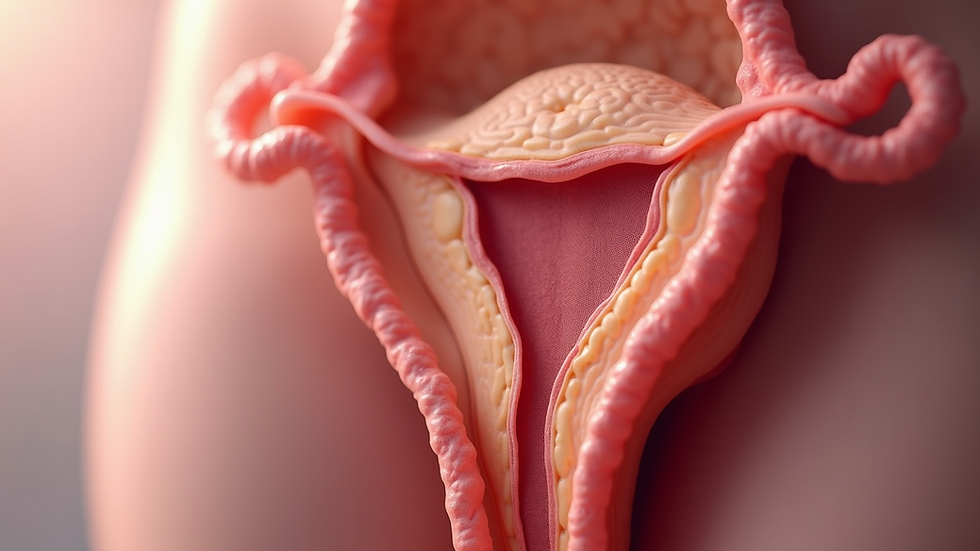
Endometriosis occurs when endometrial-like tissue grows outside the uterus, often on the ovaries, fallopian tubes, and the tissue lining the pelvis. In some cases, it can spread beyond the pelvic organs. This condition can cause severe pain, especially during menstruation, and may lead to fertility issues.
Causes of Endometriosis
The exact cause of endometriosis is still unknown, but several theories exist:
Retrograde Menstruation: This theory suggests that menstrual blood flows backward through the fallopian tubes into the pelvic cavity instead of leaving the body.
Embryonic Cell Transformation: Hormones such as estrogen may transform embryonic cells into endometrial-like cell implants during puberty.
Immune System Disorders: Issues with the immune system may prevent the body from recognizing endometrial-like tissue growing outside the uterus.
Risk Factors
Certain factors may increase the likelihood of developing endometriosis, including:
Family history of endometriosis
Menstrual cycle that lasts less than 27 days
Heavy menstrual periods lasting longer than seven days
Any medical condition that prevents the normal passage of menstrual flow
Symptoms of Endometriosis
Endometriosis symptoms can vary significantly from one person to another. Some may experience severe symptoms, while others may have mild symptoms. Common symptoms include:
Pelvic Pain: This is the most common symptom. Many women report pain during menstruation, which may worsen over time.
Pain During Intercourse: Pain during or after sex is common among those with endometriosis.
Pain with Bowel Movements or Urination: This symptom is often observed during menstrual periods.
Excessive Bleeding: Heavy periods (menorrhagia) or bleeding between periods can occur.
Infertility: Endometriosis is often diagnosed in women seeking treatment for infertility.
Other Symptoms: Fatigue, diarrhea, constipation, bloating, and nausea can also occur, especially during menstrual periods.
Diagnosis of Endometriosis
Diagnosing endometriosis can be challenging. A healthcare provider may use several methods to diagnose the condition:
Pelvic Exam: A doctor may feel for cysts or scars behind the uterus.
Ultrasound: Imaging tests can help identify cysts associated with endometriosis.
Laparoscopy: This surgical procedure allows a doctor to view the pelvic organs directly and take tissue samples for diagnosis.
Treatment Options for Endometriosis
While there is no cure for endometriosis, several treatment options can help manage symptoms and improve quality of life. Treatment plans are often tailored to the individual and may include:
Pain Relief Medications
Over-the-counter pain relief medications, such as ibuprofen or naproxen, can help alleviate mild to moderate pain. For more severe pain, a doctor may prescribe stronger pain medications.
Hormonal Therapies
Hormonal treatments can help reduce or eliminate menstruation, which may alleviate symptoms. Options include:
Birth Control Pills: These can help regulate or eliminate periods.
Hormonal IUDs: These devices release hormones that can reduce menstrual flow and pain.
GnRH Agonists: These medications induce a temporary menopause-like state, reducing estrogen levels and slowing endometrial growth.
Surgery
For women with severe symptoms or those who wish to become pregnant, surgery may be an option. Surgical procedures can remove as much endometriosis as possible, which may help relieve pain and improve fertility.
Lifestyle and Home Remedies
In addition to medical treatments, several lifestyle changes can help manage endometriosis symptoms:
Regular Exercise: Physical activity can help reduce pain and improve overall well-being.
Dietary Changes: Some women find relief by following an anti-inflammatory diet rich in fruits, vegetables, whole grains, and healthy fats.
Heat Therapy: Applying heat to the pelvic area can help relieve pain.
Stress Management: Techniques such as yoga, meditation, and deep breathing can help reduce stress and improve pain management.
Living with Endometriosis
Living with endometriosis can be challenging, but there are ways to cope effectively. Here are some strategies:
Educate Yourself
Understanding endometriosis can empower you to make informed decisions about your health. Research the condition, treatment options, and connect with support groups.
Communicate with Your Healthcare Provider
Open communication with your healthcare provider is essential. Discuss your symptoms, treatment options, and any concerns you may have.
Seek Support
Connecting with others who have endometriosis can provide emotional support and practical advice. Consider joining support groups or online forums.
Monitor Your Symptoms
Keeping a symptom diary can help you track your pain levels, menstrual cycles, and triggers. This information can be valuable for your healthcare provider in managing your treatment plan.
Conclusion
Endometriosis is a complex condition that affects many women, often leading to significant pain and challenges in daily life. Understanding the symptoms and available treatments is crucial for managing this condition effectively. If you suspect you have endometriosis, consult with a healthcare provider to discuss your symptoms and explore treatment options. Remember, you are not alone in this journey, and support is available to help you navigate the challenges of living with endometriosis.


Comments